Food Delivery Shouldn't Feel Like a Gamble.
Food Delivery Shouldn't Feel Like a Gamble.
Background
Background
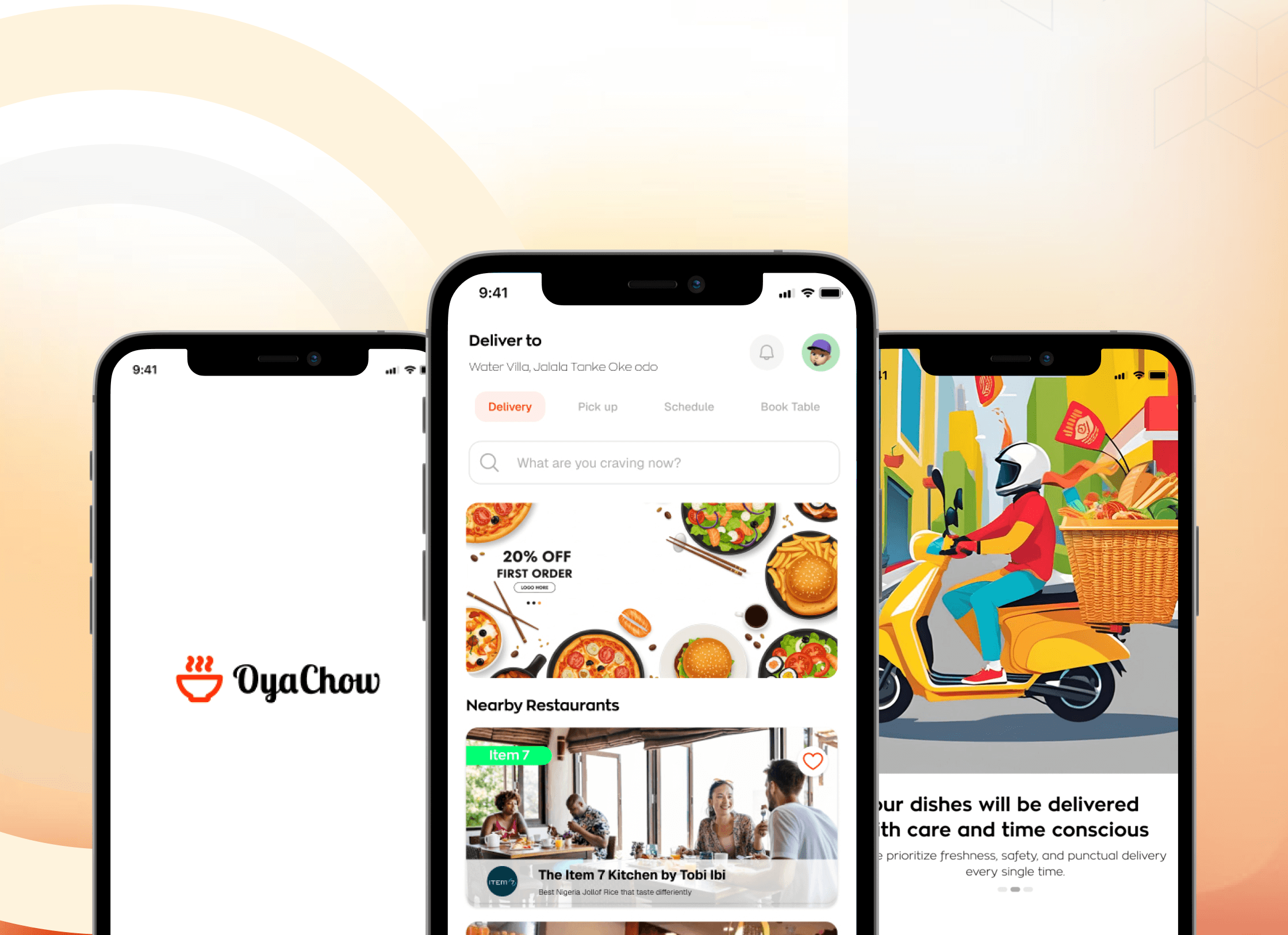
Oya Chow started from a simple observation: most food delivery apps make you feel like just another order number.
You scroll. You choose. You pay. Then you wait refreshing the map, watching a dot move slowly toward your door, hoping your food isn't cold when it finally arrives.
Restaurants feel it too. They put care into every plate, but once the food leaves their hands, they lose all control. Late drivers. Cold meals. Angry customers. And they're the ones who get blamed.
Oya Chow was designed to fix what everyone else overlooked: the disconnect between hungry people and the restaurants feeding them.
The name "Oya" comes from Nigerian Pidgin—it means "let's go" or "hurry up." It captures the energy of someone ready to eat. But the platform itself moves at the speed of reliability, not just speed.
Oya Chow started from a simple observation: most food delivery apps make you feel like just another order number.
You scroll. You choose. You pay. Then you wait refreshing the map, watching a dot move slowly toward your door, hoping your food isn't cold when it finally arrives.
Restaurants feel it too. They put care into every plate, but once the food leaves their hands, they lose all control. Late drivers. Cold meals. Angry customers. And they're the ones who get blamed.
Oya Chow was designed to fix what everyone else overlooked: the disconnect between hungry people and the restaurants feeding them.
The name "Oya" comes from Nigerian Pidgin—it means "let's go" or "hurry up." It captures the energy of someone ready to eat. But the platform itself moves at the speed of reliability, not just speed.
What Oya Chow Set Out to Achieve
What Oya Chow Set Out to Achieve
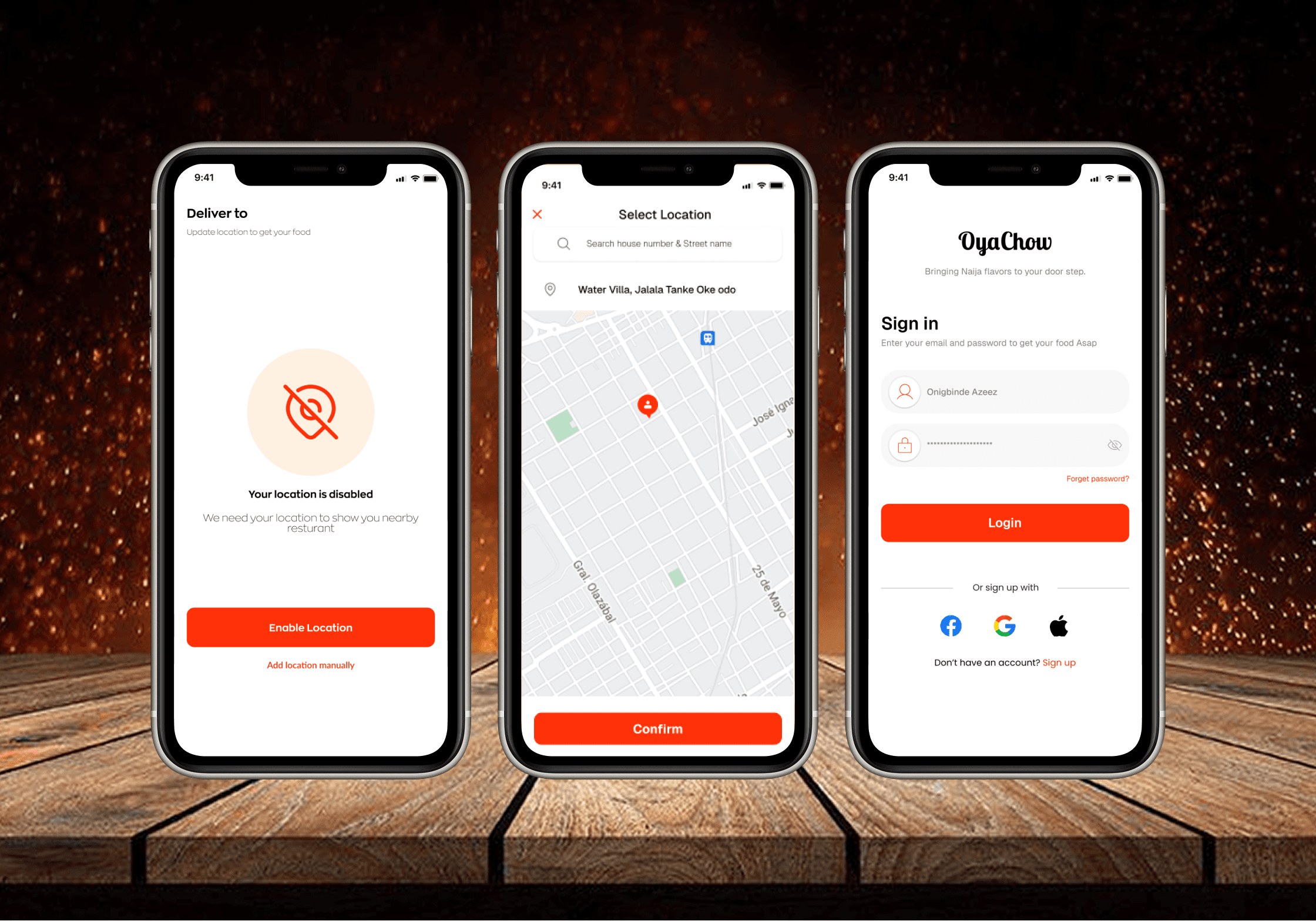
Make Ordering Food Feel Effortless, Not Stressful: Most apps make you work to find something good. Endless scrolling. Same restaurants. No clue if the food is actually worth waiting for. Oya Chow helps you discover meals you'll love—fast, without the guesswork.
Build Real Connections Between Customers and Restaurants: A restaurant shouldn't feel like a faceless kitchen. Oya Chow gives vendors space to show who they are—their story, their quality, their care—so customers can order with confidence, not crossed fingers.
Give Restaurants Tools to Grow, Not Just Survive: Small restaurants deserve more than just orders. They deserve loyalty. Oya Chow helps them track what works, understand their customers, and build a reputation that keeps people coming back.
Make Every Order Feel Transparent: No more "where's my food?" anxiety. From the moment you tap "order" to the second it arrives, you always know what's happening. No surprises. No silence. Just clarity.
Help Restaurants Thrive, Not Just Deliver: Oya Chow isn't just about moving meals from point A to point B. It's about helping local restaurants grow, build their brand, and turn first-time customers into regulars who actually remember their name.
Make Ordering Food Feel Effortless, Not Stressful: Most apps make you work to find something good. Endless scrolling. Same restaurants. No clue if the food is actually worth waiting for. Oya Chow helps you discover meals you'll love—fast, without the guesswork.
Build Real Connections Between Customers and Restaurants: A restaurant shouldn't feel like a faceless kitchen. Oya Chow gives vendors space to show who they are—their story, their quality, their care—so customers can order with confidence, not crossed fingers.
Give Restaurants Tools to Grow, Not Just Survive: Small restaurants deserve more than just orders. They deserve loyalty. Oya Chow helps them track what works, understand their customers, and build a reputation that keeps people coming back.
Make Every Order Feel Transparent: No more "where's my food?" anxiety. From the moment you tap "order" to the second it arrives, you always know what's happening. No surprises. No silence. Just clarity.
Help Restaurants Thrive, Not Just Deliver: Oya Chow isn't just about moving meals from point A to point B. It's about helping local restaurants grow, build their brand, and turn first-time customers into regulars who actually remember their name.
User Research
User Research
User Research
I didn't start designing Oya Chow behind a screen. I started by talking to real people who order food every day and the restaurants cooking it.
What I heard surprised me.
Customers told me they're tired of scrolling endlessly through the same restaurants, unsure if the food will actually be good. They don't trust ratings anymore—too many fake reviews, too many letdowns. They just want to find somewhere reliable and eat without anxiety.
Restaurant owners had even more to say. They feel invisible. Their food leaves the kitchen perfect, but by the time it arrives, they get blamed for cold meals and late deliveries. They have no way to build loyalty, no way to tell their story, no way to turn a one-time order into a returning customer.
Drivers? They're just trying to do their job, but they're left out of the loop—no context, no communication, just orders appearing and disappearing.
I didn't start designing Oya Chow behind a screen. I started by talking to real people who order food every day and the restaurants cooking it.
What I heard surprised me.
Customers told me they're tired of scrolling endlessly through the same restaurants, unsure if the food will actually be good. They don't trust ratings anymore—too many fake reviews, too many letdowns. They just want to find somewhere reliable and eat without anxiety.
Restaurant owners had even more to say. They feel invisible. Their food leaves the kitchen perfect, but by the time it arrives, they get blamed for cold meals and late deliveries. They have no way to build loyalty, no way to tell their story, no way to turn a one-time order into a returning customer.
Drivers? They're just trying to do their job, but they're left out of the loop—no context, no communication, just orders appearing and disappearing.
I didn't start designing Oya Chow behind a screen. I started by talking to real people who order food every day and the restaurants cooking it.
What I heard surprised me.
Customers told me they're tired of scrolling endlessly through the same restaurants, unsure if the food will actually be good. They don't trust ratings anymore—too many fake reviews, too many letdowns. They just want to find somewhere reliable and eat without anxiety.
Restaurant owners had even more to say. They feel invisible. Their food leaves the kitchen perfect, but by the time it arrives, they get blamed for cold meals and late deliveries. They have no way to build loyalty, no way to tell their story, no way to turn a one-time order into a returning customer.
Drivers? They're just trying to do their job, but they're left out of the loop—no context, no communication, just orders appearing and disappearing.
Major Pain Points
Major Pain Points
For Customers:
Trust is broken. Ratings feel fake. Reviews feel manipulated. No way to know who's actually good.
Hidden fees and surprises. Checkout feels like a trap—extra charges appear at the last second.
Cold food, no accountability. When something goes wrong, who do you blame? The restaurant? The driver? The app?
For Restaurants:
Invisible beyond the menu. No way to build a brand. No way to tell customers who they are.
Blamed for delivery failures. Food leaves perfect. Arrives cold. Customer angry. Restaurant pays the price.
No customer relationships. Orders come and go. No loyalty. No repeat business built into the system.
For Drivers:
Blamed for things outside their control. Traffic. Wrong addresses. Restaurant delays. All reflected in their ratings.
For Customers:
Trust is broken. Ratings feel fake. Reviews feel manipulated. No way to know who's actually good.
Hidden fees and surprises. Checkout feels like a trap—extra charges appear at the last second.
Cold food, no accountability. When something goes wrong, who do you blame? The restaurant? The driver? The app?
For Restaurants:
Invisible beyond the menu. No way to build a brand. No way to tell customers who they are.
Blamed for delivery failures. Food leaves perfect. Arrives cold. Customer angry. Restaurant pays the price.
No customer relationships. Orders come and go. No loyalty. No repeat business built into the system.
For Drivers:
Blamed for things outside their control. Traffic. Wrong addresses. Restaurant delays. All reflected in their ratings.
For Customers:
Trust is broken. Ratings feel fake. Reviews feel manipulated. No way to know who's actually good.
Hidden fees and surprises. Checkout feels like a trap—extra charges appear at the last second.
Cold food, no accountability. When something goes wrong, who do you blame? The restaurant? The driver? The app?
For Restaurants:
Invisible beyond the menu. No way to build a brand. No way to tell customers who they are.
Blamed for delivery failures. Food leaves perfect. Arrives cold. Customer angry. Restaurant pays the price.
No customer relationships. Orders come and go. No loyalty. No repeat business built into the system.
For Drivers:
Blamed for things outside their control. Traffic. Wrong addresses. Restaurant delays. All reflected in their ratings.
The Design Solution Approach
The Design Solution Approach
I didn't build features. I built fixes for the frustrations people kept telling me about.
Here's what I designed and why:
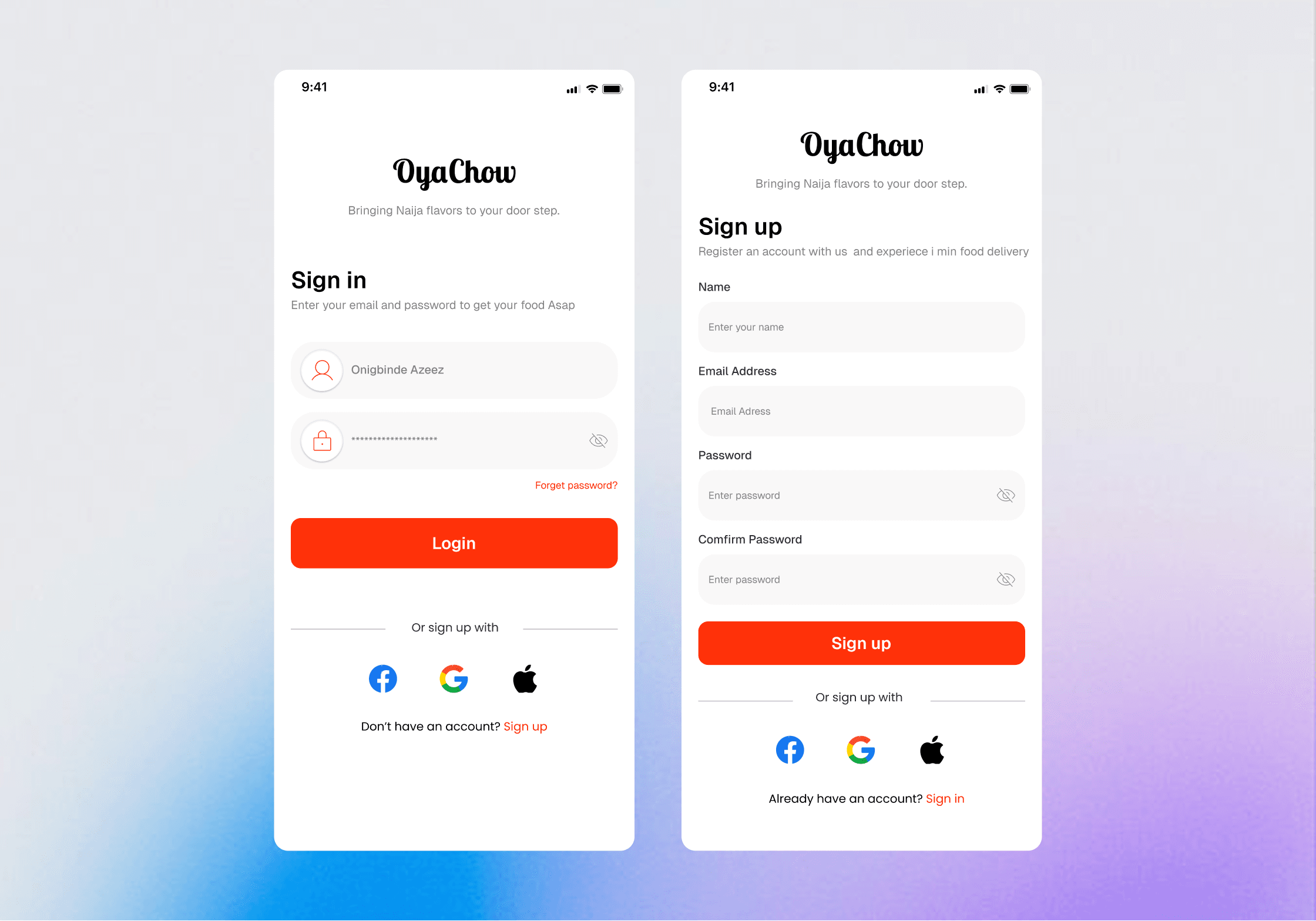
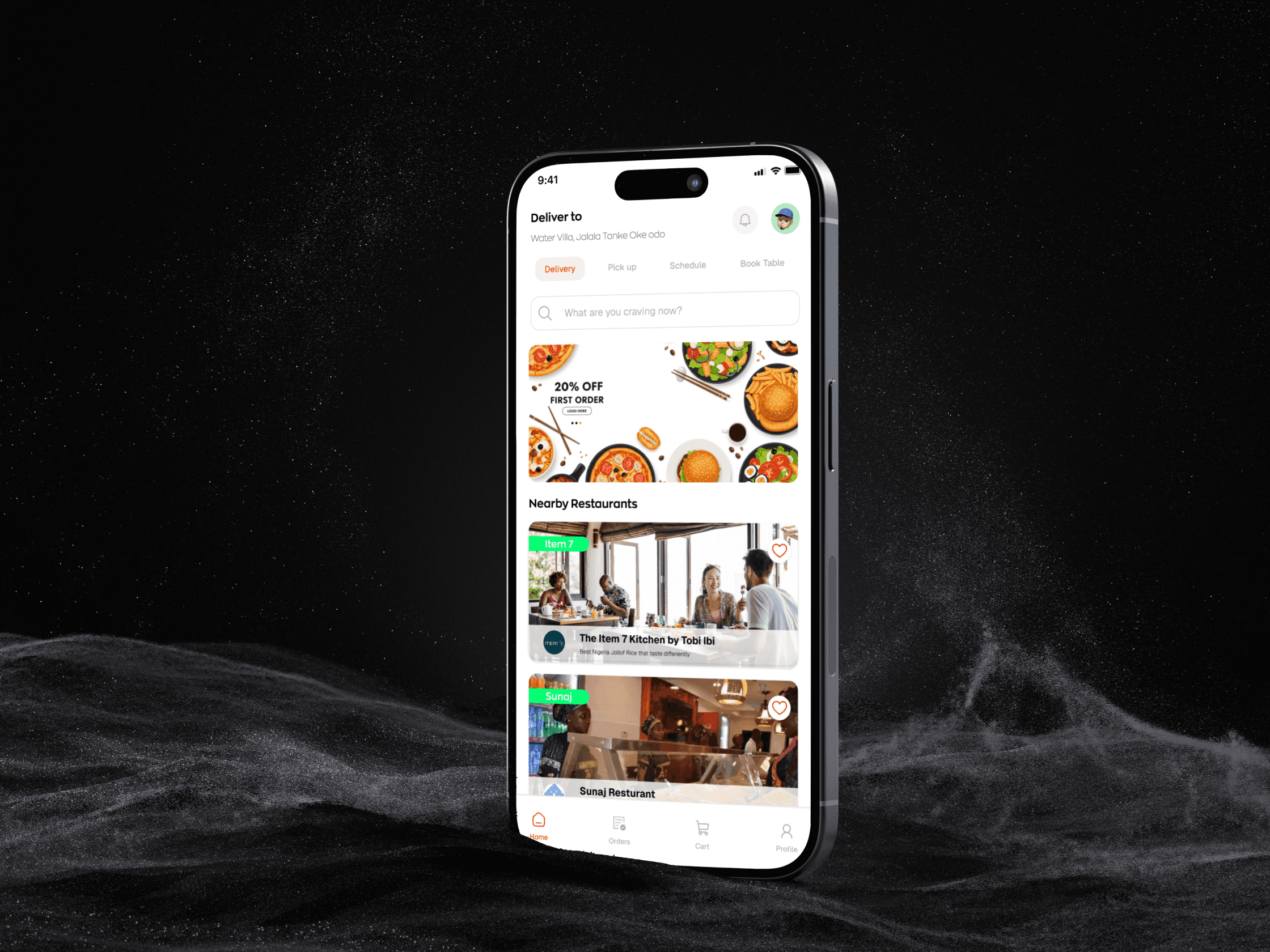
Real Restaurant Profiles With Personality: Every restaurant gets space to tell their story. Upload photos. Share their vibe. Show customers who they are, not just what's on the menu. Trust starts with knowing who's cooking your food.
Honest Ratings & Reviews: Fake reviews destroy trust. Oya Chow's system flags suspicious activity and prioritizes verified orders—so customers see what real people actually thought, not bots or paid praise.
Clear, Transparent Checkout: No hidden fees. No surprises at the last screen. Customers see exactly what they'll pay before they confirm. Friction disappears when trust replaces uncertainty.
Live Order Tracking With Actual Updates: Not just a map dot moving slowly. Customers get real status updates: Order received → Restaurant preparing → Ready for pickup → Out for delivery → Arriving soon. Anxiety drops when information flows.
Restaurant Dashboard With Real Insights: Vendors see what's working—which menu items perform, which times are busiest, who their regulars are. They can adjust pricing, update availability, and manage orders without chaos.
Driver Tools That Actually Help: Drivers get clear instructions, order context, and a simple way to update status. When they're informed, deliveries go smoother. When deliveries go smoother, everyone's happier.
I didn't build features. I built fixes for the frustrations people kept telling me about.
Here's what I designed and why:
Real Restaurant Profiles With Personality: Every restaurant gets space to tell their story. Upload photos. Share their vibe. Show customers who they are, not just what's on the menu. Trust starts with knowing who's cooking your food.
Honest Ratings & Reviews: Fake reviews destroy trust. Oya Chow's system flags suspicious activity and prioritizes verified orders—so customers see what real people actually thought, not bots or paid praise.
Clear, Transparent Checkout: No hidden fees. No surprises at the last screen. Customers see exactly what they'll pay before they confirm. Friction disappears when trust replaces uncertainty.
Live Order Tracking With Actual Updates: Not just a map dot moving slowly. Customers get real status updates: Order received → Restaurant preparing → Ready for pickup → Out for delivery → Arriving soon. Anxiety drops when information flows.
Restaurant Dashboard With Real Insights: Vendors see what's working—which menu items perform, which times are busiest, who their regulars are. They can adjust pricing, update availability, and manage orders without chaos.
Driver Tools That Actually Help: Drivers get clear instructions, order context, and a simple way to update status. When they're informed, deliveries go smoother. When deliveries go smoother, everyone's happier.
Role
Role
Role
Researcher
UI/ UX Designer
Design System
Prototyping
Problem Solving
Researcher
UI/ UX Designer
Design System
Prototyping
Problem Solving
Researcher
UIUX Designer
Design System
Prototyping
Problem Solving
Website Designer
Platform
Platform
Platform
Mobile app
Mobile app
Mobile app
Copyright © 2025
Copyright © 2025
Abdulahi Asimiyu Oluwadamilare
Abdulahi Asimiyu Oluwadamilare